
Historical Significance of Naxos
Naxos has been inhabited since prehistoric times and played a crucial role in ancient Greek civilization. It was known for its high-quality marble, which was used in many classical sculptures and buildings. The island's historical significance is further highlighted by its connection to Greek mythology; it is said to be the birthplace of Dionysus, the god of wine.
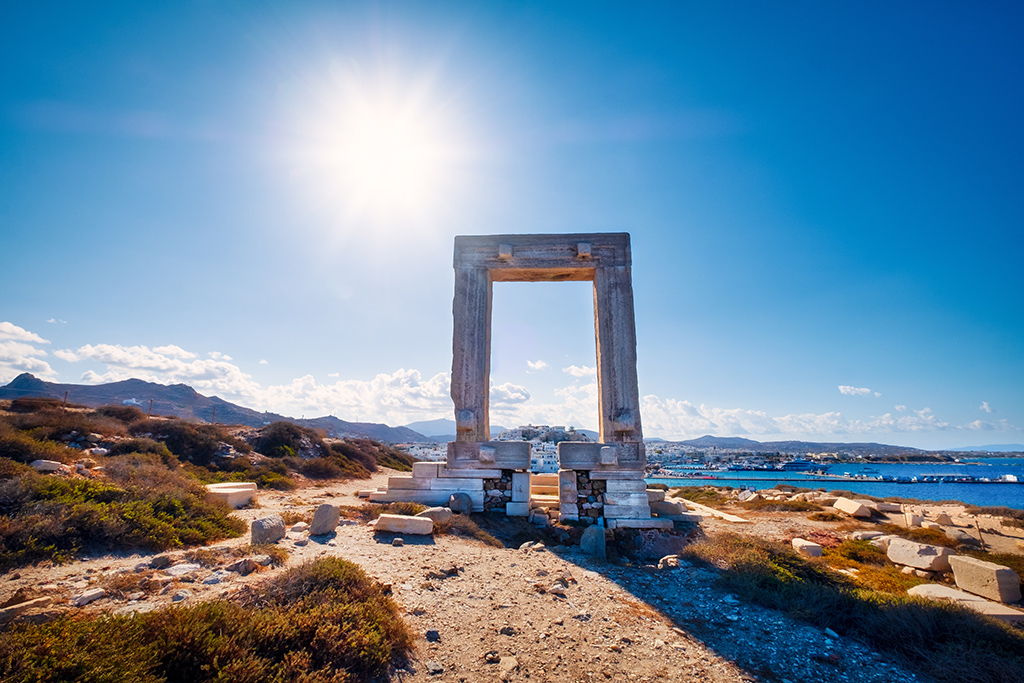
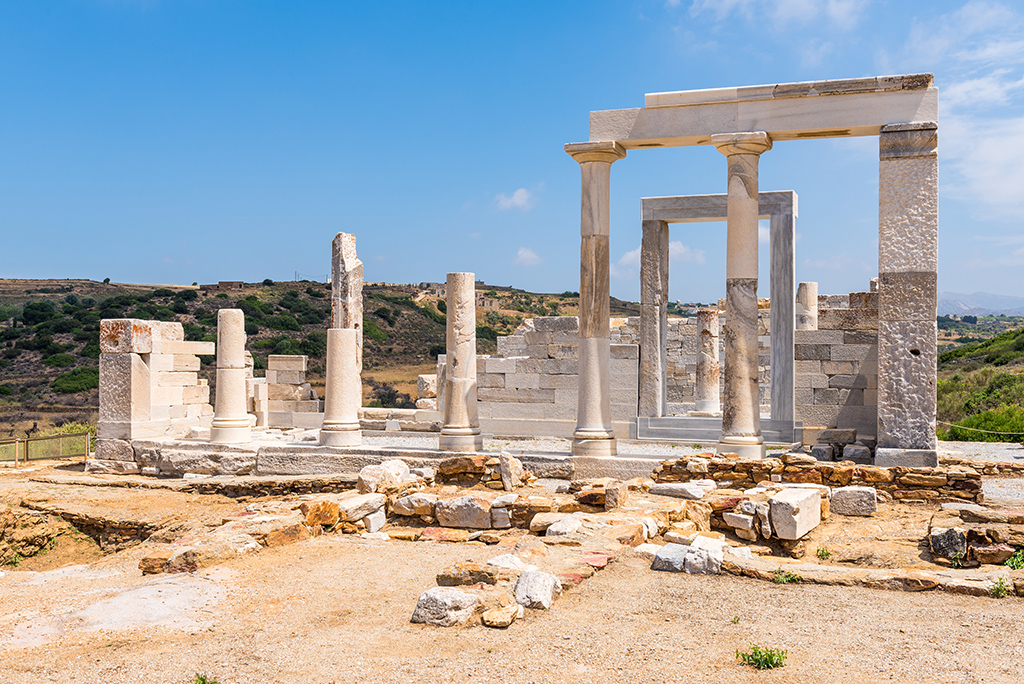
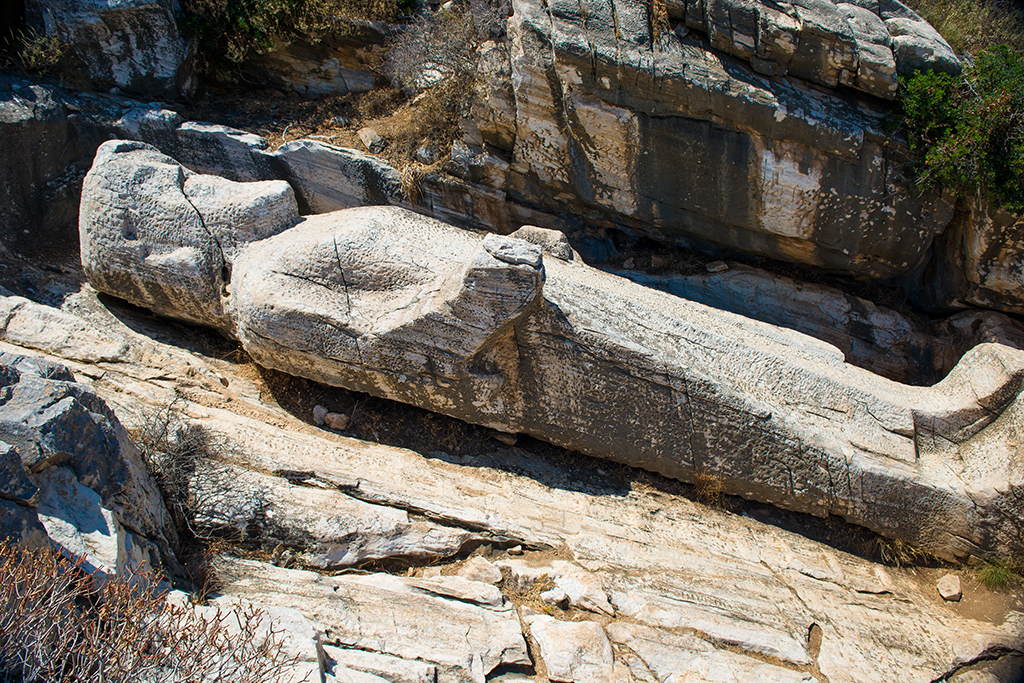
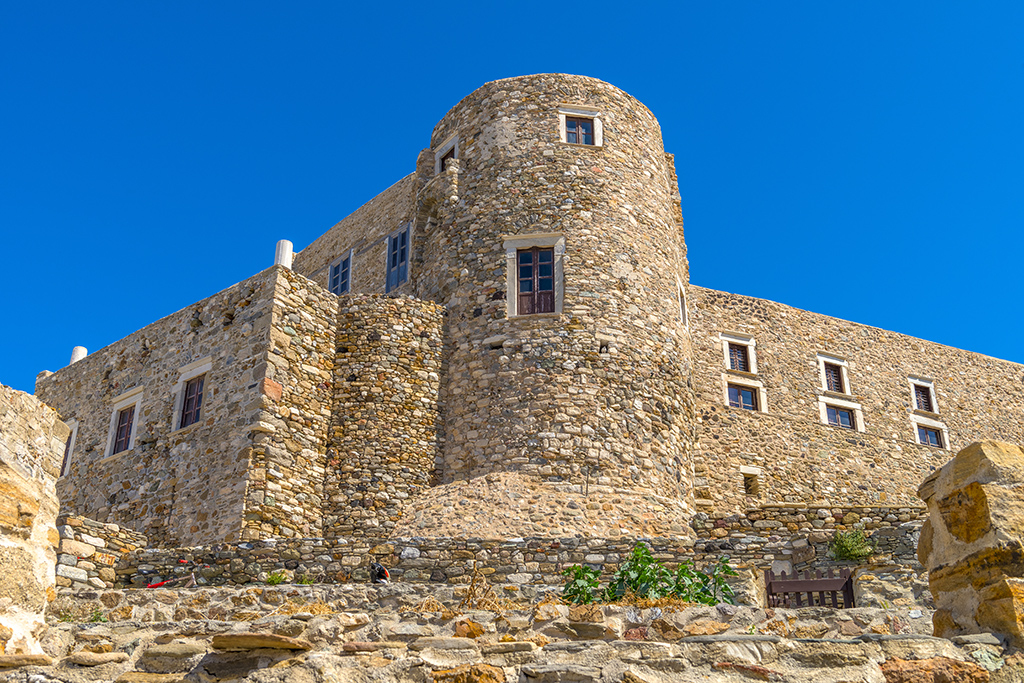
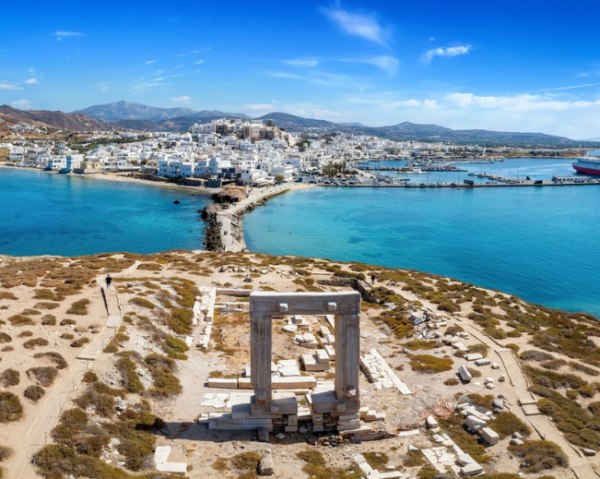
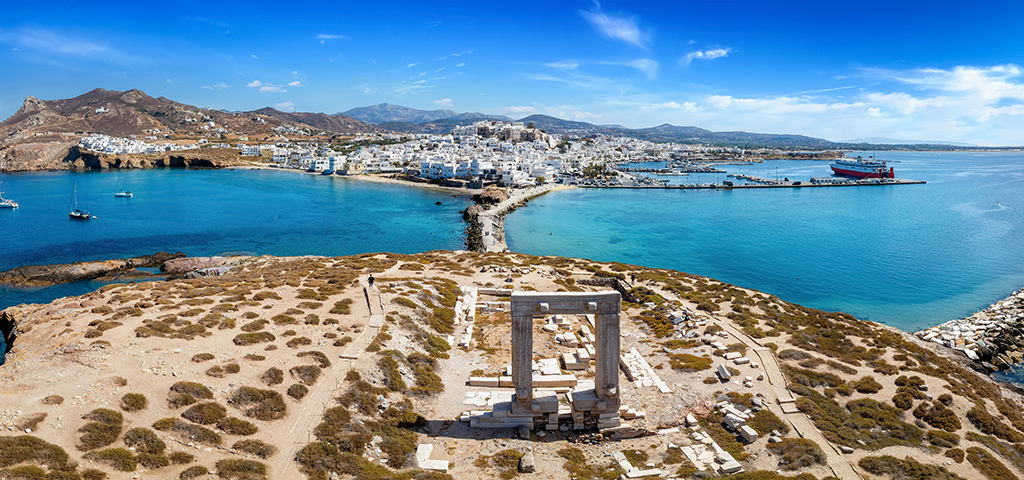
Visitors can explore ancient ruins such as the Temple of Demeter and the iconic Portara - an impressive marble gateway that remains from an unfinished temple dedicated to Apollo. The capital city, Chora (or Naxos Town), features a blend of Cycladic architecture and medieval influences. The Venetian Castle perched above the port offers panoramic views of the surrounding sea and landscape. The castle served both defensive purposes and as a symbol of Venetian power over the region. The Archaeological Museum of Naxos, also located in Chora, houses an extensive collection of artifacts dating from prehistoric times through to the Roman period. Naxos is also famous for its Kouroi, large marble statues representing young male figures from antiquity. Kouroi date back to between the 8th and 6th centuries BC and are significant examples of early Greek sculpture. Three notable Kouroi can be found on the island (one at Flerio, another at Melanes, and a third near Apollonas.
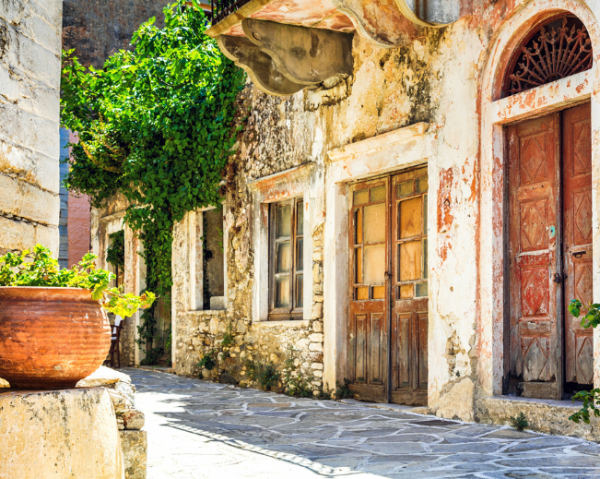
The cultural tapestry of Naxos is woven from its rich history and vibrant traditions. The island is home to several picturesque villages such as Apiranthos, Filoti, Chalki and Koronos, each showcasing unique architectural styles and local customs. These villages are characterized by their traditional stone houses, narrow alleys, and stunning views of the surrounding landscape.
The cultural tapestry of Naxos is woven from its rich history and vibrant traditions. The island is home to several picturesque villages such as Apiranthos, Filoti, Chalki and Koronos, each showcasing unique architectural styles and local customs. These villages are characterized by their traditional stone houses, narrow alleys, and stunning views of the surrounding landscape.